What County Am I In? Did you know the United States has 3,143 counties across 50 states? Knowing your county is more than just knowing where you are. It’s key to getting local services, emergency help, and community support.
If you’re new, traveling, or just curious, finding your county is important. It helps you get the services and support you need. Thanks to modern tech and online tools, finding your county is now easy.
Finding out which county you’re in doesn’t have to be hard. This guide will show you how to do it fast. We’ll use the latest digital tools and old-school methods.
Key Takeaways
- Counties play a critical role in local government and service delivery
- Modern technology makes county identification easier than ever
- Knowing your county helps access important local resources
- Multiple methods exist for determining your county location
- Geographic information is crucial for administrative purposes
Understanding County Jurisdictions and Why They Matter
Local governance can be tricky to understand. But knowing about county jurisdictions is key. Counties are important for services and resources that affect our daily lives.
The Role of Counties in Local Governance
Counties are key parts of state governments. They offer many services to keep communities going. Their work goes beyond just paperwork:
- Public health management
- Law enforcement coordination
- Infrastructure development
- Educational support systems
- Emergency response planning
How Counties Affect Daily Life
Counties impact our lives in many ways. They take care of roads and parks. Civic engagement starts at the county level, where you can help make decisions.
Benefits of Knowing Your County Location
Knowing your county has many benefits:
- Access to local programs
- Accurate voter registration
- Streamlined admin processes
- Quick emergency service response
With over 3,143 counties in the U.S., each is different. Knowing your county helps you use local resources better.
Quick Methods to Find What County Am I In
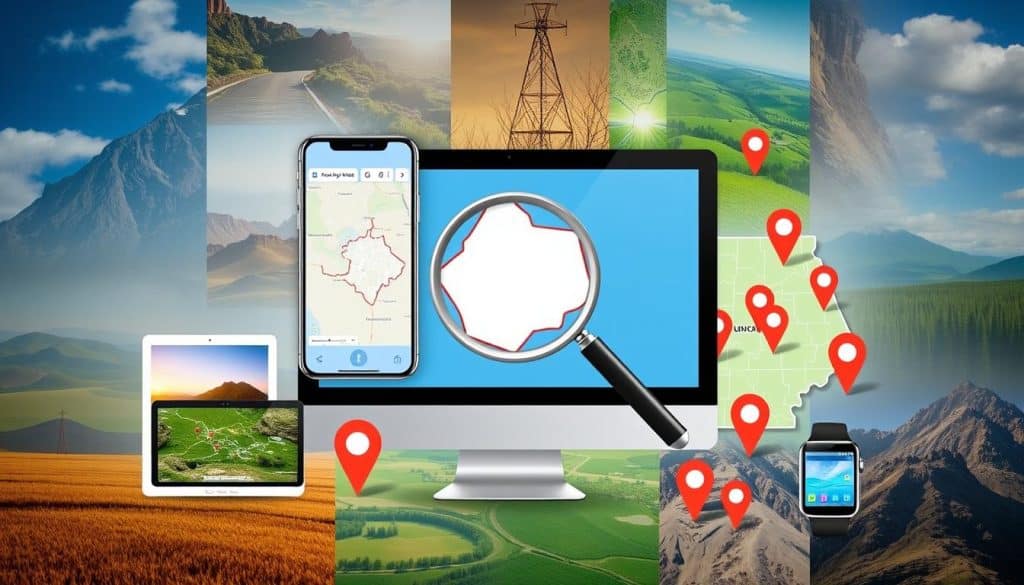
Finding your county is now easy with today’s tech. Many fast ways to find your county are available.
Online county finder tools make it easy to find your county. Here are some ways:
- GPS-based location services
- Zip code search platforms
- Interactive county mapping tools
- Mobile applications with geolocation features
Modern tools use GPS to find your county fast. They can find your county using your device’s GPS. If GPS is off, they use your internet to guess your location.
| Lookup Method | Accuracy Level | Coverage |
|---|---|---|
| GPS Coordinates | High | 50 US States, Territories |
| IP Address Approximation | Medium | Global Internet Connections |
| Zip Code Search | Very High | United States Postal Regions |
Travelers and new residents find these tools helpful. They work in the US and other places like Canada and Australia.
But, remember these tools are for quick info. They shouldn’t be used for serious legal stuff.
Using Online Tools and GPS Technology
Digital mapping has changed how we find county locations. Now, we can get our county info quickly and accurately with just a few clicks or taps.
Online tools and GPS solutions help us find our county easily. These new technologies make it easier than ever to find where we are.
Popular County Finder Websites
Many websites help us search for counties online. You can enter your address or GPS coordinates to find your county fast. Some top features include:
- Real-time location verification
- Precise geographic mapping
- Instant county information retrieval
Mobile Apps for County Location
Smartphone apps have made finding counties easy. GPS apps give us our location quickly and accurately. Key benefits include:
- Offline coordinate tracking
- Multiple map layer options
- Detailed coordinate formats
GPS-Based Solutions
GPS coordinates give us detailed location info. They are useful for both work and travel. They help us navigate and track our location.
| GPS Feature | Use Case |
|---|---|
| Decimal Degrees | Simplified geographic calculations |
| Coordinate Types | DMS, MGRS, UTM, Plus Codes |
| Map Layers | Standard, Satellite, Terrain |
Digital mapping technologies keep getting better. Now, finding your county is faster and easier than ever.
Traditional Ways to Determine Your County
Finding out your county can sometimes mean going old school. Physical maps and local spots are great for figuring out where you are. People living or traveling can use a few classic ways to find their county.

Local government offices are a top spot for county info. You can go there to see physical maps and property records. It might take longer than using the internet, but you get to talk to local experts.
- Contact local government offices directly
- Request physical maps of the region
- Review property records for boundary details
- Consult postal services for regional information
Property records are key for knowing your county. A property deed has all the legal boundary info. Surveys, which cost between $375 and $750, give even more precise details.
| Traditional County Location Method | Estimated Cost | Accuracy Level |
|---|---|---|
| Local Government Office Consultation | Free | High |
| Property Deed Review | Free | Medium |
| Professional Property Survey | $375 – $750 | Very High |
Postal services can also help find county boundaries. Local post offices often have detailed maps that help pinpoint your county. These old-school methods are still useful, even in places with little internet.
County Boundaries and Border Navigation
Navigating county borders can be tough. Knowing how to read maps is key. This helps people find where they are. County line markers help show when you move from one area to another.
- Recognize physical markers along roadways
- Understand geographic transition points
- Use advanced mapping technologies
- Consult local geographic resources
Understanding County Line Markers
County line markers are important signs. They show where one area ends and another begins. These markers are kept up by local governments to make it clear where you are.
Reading County Maps Effectively
Getting good at reading maps takes practice. Historical atlases are great for learning about old boundaries. Sites like HistoricMapWorks.com have lots of old maps to explore.
Identifying Border Zones
Border zones are tricky because they have many areas together. You need to look at the land, roads, and markers to figure it out.
| Boundary Type | Availability | Scale |
|---|---|---|
| County Boundaries | ⬤ | 1:500,000 |
| Metropolitan Areas | ⬤ | 1:500,000 |
| School Districts | ⬤ | 1:500,000 |
Experts and hobbyists can use many resources. The National Archives, Library of Congress, and online sites help learn about boundaries and maps.
Common Challenges in County Identification

Finding your way around county lines can be tricky. Most of the U.S. is rural, covering 97% of the land. Knowing these details helps people find their county.
There are a few big hurdles when trying to find a county:
- Address Discrepancies: Postal addresses don’t always match county lines. This can confuse people and services.
- Unincorporated Areas: These places don’t clearly belong to a county. Finding the right one is hard.
- County Name Similarities: Many counties have the same or similar names. This can lead to mistakes.
- Jurisdictional Overlaps: Big cities often spread across several counties. This makes local rules and services tricky to manage.
Rural areas are extra tricky to figure out. With 71.6% of land not near cities, their boundaries are complex. This makes maps and guides less helpful.
Here are some ways to tackle these problems:
- Use official county maps
- Check with local government offices
- Try GPS and online tools for finding counties
- Double-check addresses with different sources
Knowing these issues helps people get around local areas better. It ensures they find the right county and get the services they need.
County Services and Resources Available
Counties are key in offering vital public services and programs. They help in many ways, from emergency support to special help. This safety net is crucial for communities all over the U.S.
Emergency Services by County
Local county teams work hard to keep communities safe. They handle:
- Fire department response
- Police and law enforcement
- Medical and ambulance services
- Emergency management coordination
County-Specific Programs
Counties have special programs for local needs. Some examples are:
- Veterans Services: Help with benefits and support
- Public transportation systems
- Elderly nutrition and meal delivery services
- Student support initiatives
Local Government Support
County offices help residents with government services. They offer:
- Permit processing
- Community development projects
- Referral services through local resource centers
- Social service coordination
Knowing what county resources are available helps residents get the help they need. It also helps them work better with local government.
Tips for New Residents and Travelers
Starting a new life in a county needs careful planning. Knowing your new place is key. By using local tips, you can make your move smoother.
Here are some steps to help you settle in:
- Research county-specific services and resources
- Register for local utilities and government programs
- Explore neighborhood community centers
- Connect with local resident groups
Traveling to a new county is exciting but also requires planning. The Smart Traveler Enrollment Program (STEP) is a great resource. It offers safety tips for travelers and movers. With over 350 destinations covered, you can find out about local conditions and emergency contacts.
| Relocation Preparation | Key Actions |
|---|---|
| Emergency Contacts | U.S. Department of State: 888-407-4747 |
| Safety Registration | STEP Program Enrollment |
| Local Resources | County Government Websites |
Learning about local customs is important. It helps you fit in quickly. Practical tips include telling friends where you are, finding out about transport, and booking places to stay early. These steps make your move safer and easier.
County Information for Legal and Administrative Purposes
Knowing about counties is key for legal and admin tasks. Local governments use county records for many things. This helps them manage documents and support legal actions.
Counties are basic units that handle important services. Knowing your county is vital in many areas:
- Legal document filing
- Getting licenses and permits
- Voter registration
- Accessing court services
- Tax document processing
Counties handle many legal and admin tasks. They need clear boundaries to work well.
| Administrative Function | County Responsibility |
|---|---|
| Court Systems | Manage local judicial proceedings |
| Property Records | Maintain official land documentation |
| Emergency Services | Coordinate local protection and response |
For people and businesses, knowing county rules is important. Having the right county info is key for forms, permits, and legal issues.
Many professionals need county data for work. It’s used in real estate, emergency planning, and more. County info helps make good decisions.
Understanding Multiple County Jurisdictions
Dealing with areas that cover more than one county can be tough. This is true for both people living there and businesses. Knowing how these areas work helps everyone make better choices about local services and getting involved in the community.
California is a great example of how complex things can get. It has 58 counties and 478 cities. This shows how advanced the way they govern themselves is. Adding special districts makes things even more interesting.
Metropolitan Areas Spanning Counties
Big cities often spread out over several counties. Here are a few examples:
- Association of Bay Area Governments (Alameda, Contra Costa, Solano counties)
- Southern California Association of Governments (Los Angeles, Orange, Riverside counties)
- San Diego Association of Governments
Special Administrative Districts
California has about 4,763 special districts. They offer different services and go beyond county lines. Some examples include:
- Airport Districts
- Library Districts
- Healthcare Districts
- Water Districts
It’s important to understand these areas for good planning and following the law. People need to know how these areas affect services, taxes, and how things are run.
For businesses, researchers, and citizens, knowing about county areas is key. It helps them deal with the complex world of administration.
Conclusion
Knowing your county is more than just knowing where you are. It’s about understanding the local resources and services around you. This knowledge helps you navigate daily life better.
By learning about your county, you can connect with your local government. You can also participate in community decisions. This is true whether you’ve lived there for years or just moved.
Today, we have many ways to learn about our counties. From old maps to GPS, we have a lot of tools. Knowing your county helps you feel connected to your community.
As communities grow, staying informed about your county is key. Your interest in local information can lead to active participation. This helps build stronger communities across the U.S.